

Athletes don’t struggle because of lack of effort or talent.
The biggest obstacles in sports aren’t physical- They’re internal. When athletes learn to manage thoughts, emotions and discomfort through mental training along with values-driven actions, everything change!
They struggle because of what happens inside—unhelpful thoughts, uncomfortable emotions, and the physical sensations that come with training and pressure.
Most athletes were never taught how to work with these internal experiences. Here’s what truly gets in the way:
1. Unhelpful Thinking Breaks Focus
Trying to “stay positive” or “forget the mistake” usually backfires.
The more an athlete fights their thoughts, the more attention gets pulled off the task.
Real progress comes from attention training—learning to unhook from thoughts and return to the moment.
2. Emotions Disrupt Rhythm
Anxiety, frustration, embarrassment—these are normal.
But resisting them creates muscle tension, scattered attention, and rushed decisions.
Acceptance, not suppression, restores composure.
3. Exercise-Induced Pain Confuses the Mind
Muscle burn, fatigue, and heavy breathing feel threatening, even when they aren’t.
Elite performers learn to notice the discomfort, breathe, and stay committed to their actions instead of backing off.
4. Lack of Clear Goals Leads to Hesitation
Without clear process goals, the mind has nothing to aim at.
Clear targets create clarity, and clarity creates confidence.
5. Values and Committed Actions Build Consistency
Values give direction when pressure rises.
Committed actions—doing what matters even when it’s uncomfortable—build the foundation of resilience and steady performance.
The Real Solution: Train the Inner Game
When athletes learn to focus attention, accept emotions, handle physical discomfort, and stay connected to values, everything changes.
They become more consistent, more confident, and more capable under pressure.
If you’d like help training the mind behind the performance—whether you’re an athlete, coach, or parent—send me a message.

Shame Culture is often applied in sports coaching, self-improvement and even in organizations, but does it work?
In the high-stakes world of sports, business, and even personal growth, there’s a lingering belief that shame can drive people to do better. You’ve probably heard phrases like, “If you’re not embarrassed by that performance, you don’t care enough,” or “You need to feel bad about failing to push yourself harder next time.” While this approach might produce short-term results, it often comes at a deep emotional and psychological cost. Research tells us that shame does not inspire lasting, meaningful change; in fact, it usually achieves the opposite.
The Science of Shame: Why It Doesn’t Work
Shame is an intensely uncomfortable emotion that makes people feel inherently flawed. Unlike guilt, which is tied to specific actions (“I did something bad”), shame is focused on the self (“I am bad”). This difference is crucial. When people are shamed, they internalize the belief that they are unworthy, incompetent, or inadequate.
Studies in behavioral psychology have consistently shown that shame leads to avoidance and withdrawal rather than proactive improvement. When people are overwhelmed by feelings of shame, their instinct is often to hide or disengage to protect themselves. They’re not driven to change or perform better because they’re too busy defending their sense of self-worth. In extreme cases, shame can even lead to depression, anxiety, or destructive behaviors like substance abuse.
Instead of creating motivated, empowered individuals, shame creates people who are afraid of failure and desperate to avoid situations where they might be exposed again.
Why Shame Culture Is So Common in Coaching
Despite its harmful effects, shame culture persists, particularly in coaching and leadership. There are several reasons for this:
1. Immediate Feedback Loop: Coaches and leaders often see short-term results from using shame. An athlete might push harder after being shamed in front of their team, or an employee might overwork themselves to avoid future public criticism. This creates a false sense of effectiveness.
2. High Pressure Environments: Sports teams, organizations, and high-performance cultures are often hyper-focused on results. The pressure to win, to achieve, or to meet expectations can lead coaches and leaders to use any tool at their disposal, including shame, to push for better outcomes.
3. Modeling Behavior: Many leaders and coaches were raised in similar environments and learned to believe that toughness and emotional hardship are part of the journey. If they overcame shame, they might think it’s an essential part of success.
Compassion Over Shame: A More Effective Approach
If shame doesn’t work, what does? The answer lies in cultivating environments where individuals feel valued, respected, and supported. Coaches and leaders should foster a sense of self-compassion rather than self-criticism. Here are a few ways to make that shift:
1. Focus on Specific Actions, Not the Person: Instead of attacking the individual, address specific behaviors or outcomes. For example, instead of saying, “You’re not good enough to compete at this level,” try, “Let’s work on improving your technique in this area so you can reach your full potential.”
2. Create a Safe Space for Failure: Failure is an inevitable part of growth. Instead of shaming failure, coaches and organizations should normalize it as part of the learning process. This creates a culture of psychological safety, where people aren’t afraid to take risks and try new approaches, knowing they won’t be humiliated if they fail.
3. Use Positive Reinforcement: Recognize effort, improvement, and resilience, even if the outcome isn’t perfect. This builds confidence and encourages individuals to keep working toward their goals without the fear of being shamed for their mistakes.
4. Encourage Self-Compassion: Teach individuals to be kind to themselves when they fail. Self-compassion helps people bounce back from setbacks and motivates them to improve, not out of fear, but out of a desire to grow and succeed.
5. Emphasize Intrinsic Motivation: Help individuals connect with why they’re doing what they do on a deeper level. When people are motivated by a sense of purpose, mastery, or personal fulfillment, they are much more likely to push through challenges and strive for excellence in the long term.
Moving Forward: Cultivating Change with Compassion
The most successful coaches and leaders understand that people perform their best when they feel supported, respected, and valued. By moving away from shame and toward a culture of compassion, we not only inspire better performance but also create healthier, happier individuals.
Shame has no place in a system that seeks to inspire change, growth, or resilience. The sooner we as coaches, leaders, and organizations recognize this, the better equipped we’ll be to truly empower those we lead. Change that is rooted in self-compassion, positive reinforcement, and a safe environment will always be more sustainable and fulfilling than one born of shame.
After all, the goal is not just short-term success. It’s long-term transformation. This is what great coaches know!

Letting Go Of Control To Find Peace
We often think that if we just manage things better—our schedules, our emotions, our relationships—we can control our way to being present. We strive to have a handle on everything, expecting that once the pieces fall into place, we’ll finally feel grounded. But this belief is a trap. The truth is that presence isn’t something we can control; it’s the absence of control altogether.
Real presence is about letting go—of expectations, of outcomes, of the need for things to be a certain way. It’s in the space where control fades that we drop into the moment. When we stop resisting how life unfolds and surrender the constant drive to manage it all, we open ourselves up to true awareness, to actually being here, now. It’s like the paradox of trying to fall asleep: the harder you try, the more elusive sleep becomes. Presence works in the same way.
This shift isn’t easy. It takes trust—trust in something larger than ourselves. Call it God, the universe, or consciousness, this trust allows us to release the tight grip we have on life. Trust that things are unfolding as they should, and in doing so, you can relax into the present moment.
For many, letting go of control is terrifying. We live in a world that praises self-reliance, independence, and mastery over circumstances, such as winning. But the more we grip tightly, the more we miss the natural flow of life. Trusting the process, trusting that we don’t need to control everything, is a deep practice. It’s an act of faith, of surrender, and it invites something beyond our personal power to guide us.
Presence, then, becomes not about achieving a state of calm through effort, but about allowing ourselves to be exactly as we are, wherever we are. It’s about letting life be what it is, and in that space of surrender, we can truly meet ourselves and the moment fully. When we relinquish control, we find that we’re not just “in the moment,” but that we are moment, itself. The moment would not exist without our presence.
The practice of presence, and of trust, is lifelong. It’s not something we master and then move on from; it’s something we return to again and again, like breath. And just as in life, where seasons cycle and change, our relationship to trust and presence will deepen with time. The more we let go, the more we can settle into this truth: the present is always here for us, waiting, beyond control, ready to be lived.
Trust in this unfolding. Trust in life, trust in yourself, and trust in the ever-present consciousness that guides us all. Let go—and in doing so, find yourself where you’ve always been meant to be.
Becoming The Observer
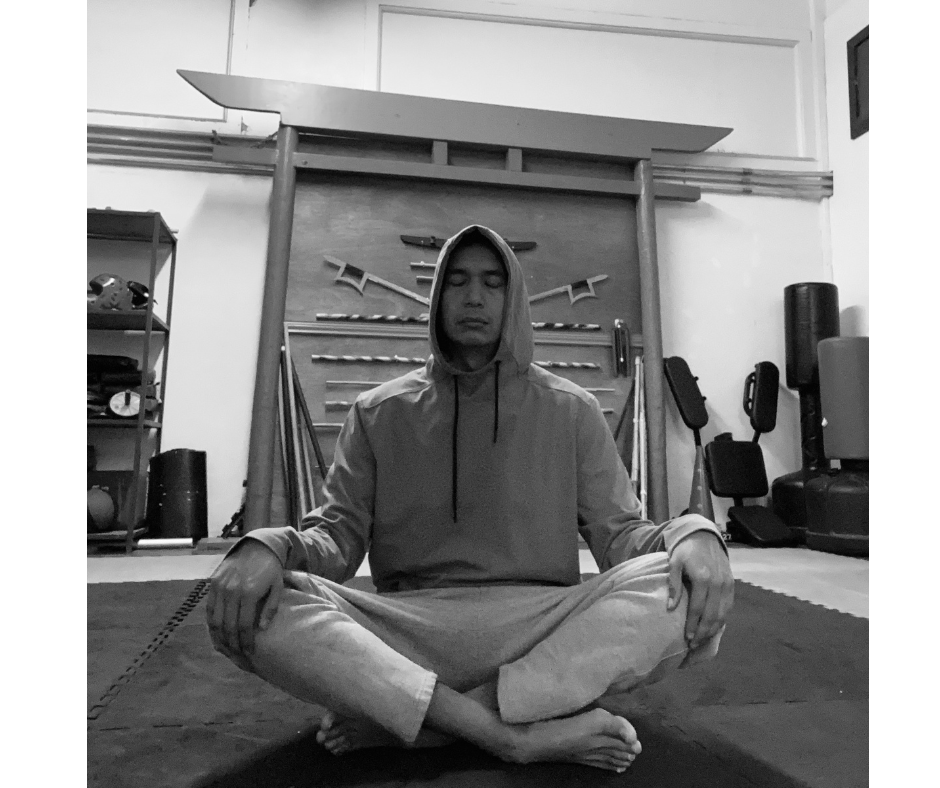
In the busy flow of life, most of us are caught up in our thoughts. We identify with them, believing that we are what we think. But this idea, though widely accepted, is misleading. What if I told you that you are not your thoughts? You are not even the thinker behind those thoughts. Instead, you are something deeper, something unchanging—the observer.
The Thinker Is Not the Thought
Thoughts are like clouds, constantly shifting and changing with time. One day you might feel joy, the next sadness; your opinions on life might change, just as your experiences do. Yet, through all these changes, there is something within you that remains constant—the observer. This is the part of you that notices the thoughts as they come and go, unaffected by their content.
If the thinker were truly the thought, you would change as your thoughts do. But that’s not the case. Just as the sky remains while clouds pass through, you remain while thoughts pass through your awareness. Thoughts may evolve, but the observer never changes.
The Unharmed Observer
One of the most comforting truths about this observer is that it cannot be hurt or harmed. While life’s challenges, emotional pain, and difficult circumstances may impact your thoughts and feelings, the observer stays untouched. It is the core of your being, the calm beneath the surface turbulence of the mind.
Think about it: no matter how much the mind judges, criticizes, or reacts, there is always an awareness underneath it that simply notices. That awareness—the real you—remains unscathed, ever-present, and unconditionally whole.
The Struggle: Letting Go of Judgment
Perhaps the hardest part of life is to stop using the mind to judge, categorize, and control. The mind loves to label things as good or bad, right or wrong. It wants to control every experience by fitting it into boxes of understanding. This is where we get stuck, wrapped up in our thoughts, and disconnected from the true experience of life.
But when you become the observer, you release the need to judge. You simply allow life to unfold and experience it as it is. Rather than trying to control or resist discomfort, you embrace the present moment fully, accepting whatever comes your way. It’s a shift from thinking to being, from controlling to allowing.
A Poetic Reflection
Here is a poem to capture this deeper truth of what it means to move beyond the mind’s judgments and embrace the observer within:
The Silent Witness
I am not the thoughts that come and go,
Nor the thinker who believes to know.
For thoughts, like clouds, drift and fade,
Changing forms in light and shade.
The thinker shifts with time and tide,
Yet deep within, I still reside.
The silent witness, ever clear,
Watching thoughts, year after year.
Though thoughts may dance, evolve, and flee,
The observer stays, forever free.
Untouched by pain, unharmed by strife,
I am the stillness beyond all life.
So let the mind and moments pass,
I am the peace that will always last.
This poem speaks to the unchanging nature of the observer within us all. It serves as a reminder that, no matter what happens in the outer world or within the mind, the observer remains—unaffected, peaceful, and eternal.
Practical Steps to Becoming the Observer
Becoming the observer of your mind rather than identifying with your thoughts is a skill you can develop with practice. Here are a few ways to cultivate this shift:
1. Practice mindfulness: Mindfulness meditation teaches you to notice your thoughts without getting caught up in them. Sit quietly, observe your thoughts, and gently bring your attention back to your breath or the present moment whenever your mind wanders.
2. Embrace discomfort: As you let go of judgment, you may encounter discomfort. Instead of reacting, practice simply observing the discomfort. Feel it fully, without labeling it as good or bad.
3. Release the need for control: Life is unpredictable, and so are your thoughts. Letting go of the need to control both your thoughts and life itself opens up space for acceptance and peace.
4. Return to the present: The mind tends to focus on the past or future, creating anxiety and stress. By grounding yourself in the present, you can experience life as it is, without the filter of judgment.
Becoming the observer is a journey. It takes time to shift from judging and controlling to simply being, but the peace and clarity that come from this practice are profound. When you can truly let go of the mind’s judgments and embrace the present, you connect with your deepest self—the one that cannot be hurt, the one that remains free and whole, no matter what life brings.
Be Present In The Push
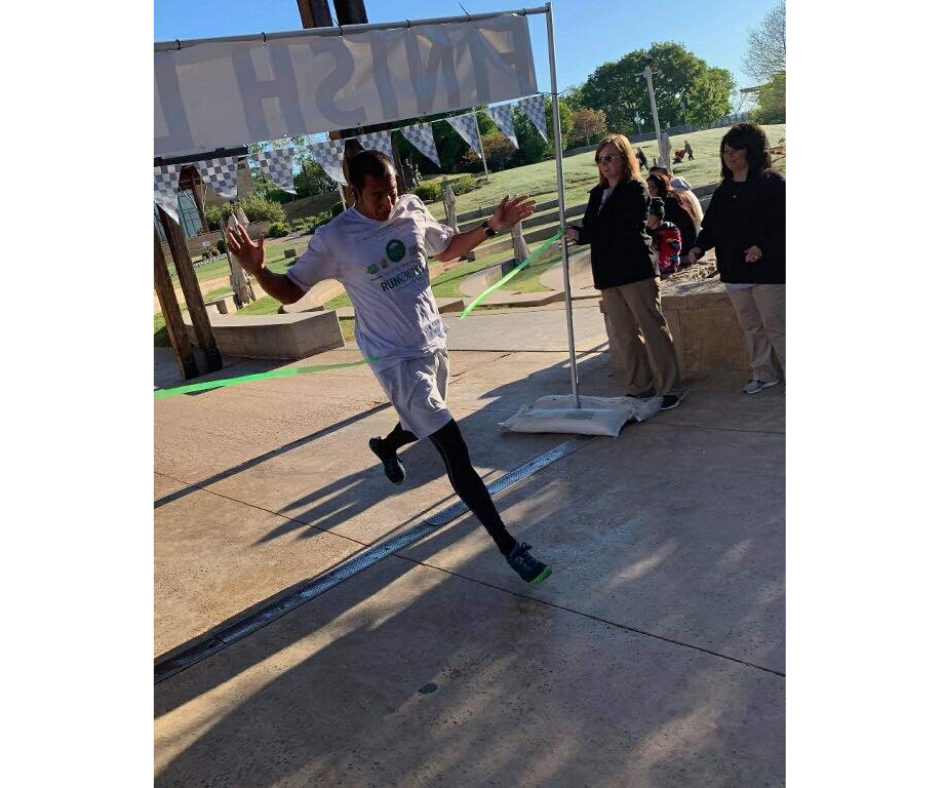
There was a time when I wouldn’t run in the rain. I would lace up my shoes, take one look outside, and if I saw those gray clouds, I’d shrug and decide to wait for another day. After all, who wants to be cold, soaked, and uncomfortable? It seemed unnecessary. I could always run later, in better conditions.
But, as often happens, “later” sometimes didn’t come, and those missed runs became a pattern. It wasn’t just the rain I was avoiding—it was the discomfort of the run itself. The burn in my legs, the breathlessness, the resistance from my own body. I was dodging more than just bad weather; I was dodging the discomfort of growth.
Then came a shift, one that surprised even me. I started to understand that avoiding the rain, avoiding the discomfort, was also avoiding the progress I wanted to make. If I wanted to get better, I had to stop waiting for perfect conditions. And not just with the weather—but with everything. This is also when my life began to change.
So, one day, I made a decision. It was drizzling, but instead of using it as an excuse to stay inside, I put on my running shoes, took a deep breath, and headed out the door.
As I started running, the rain didn’t let up—it grew heavier, soaking my clothes and making the path slippery. Every step was a reminder of the discomfort. But something incredible happened. Instead of fighting the rain, instead of grumbling internally or resisting the cold drops on my skin, I chose to embrace it. I shifted my focus from the rain to my breath, from the wetness to the rhythm of my feet on the pavement.
In that moment, I understood a deeper lesson. The discomfort wasn’t the enemy; it was part of the process. The rain, the soreness, the exhaustion—they were all pieces of a bigger picture. To grow stronger, I needed to be present in the push, to be fully aware of every drop of rain, every step, every breath.
When I stopped avoiding discomfort, something changed. My runs became less about finishing and more about experiencing the present moment. The rain became just another sensation, no different from the way my lungs felt when they worked harder or the fatigue in my legs as I pushed through the last mile. Everything was simply part of the journey, not obstacles to overcome but sensations to notice. After all, isn’t life about experiencing it?
That run in the rain taught me that discomfort is a sign of growth. It’s not there to hold us back but to push us forward. Whether it’s in running, in life, or in personal development, the real challenge isn’t avoiding the rain—it’s learning to run through it, to lean into the discomfort, and to embrace every difficult moment as an opportunity to become stronger.
When we avoid discomfort, we stay stuck. But when we learn to be present in the push—to truly live in the moment, even when it’s tough—that’s where the transformation happens.
The truth is, we’re always going to face storms in life, whether literal or metaphorical. Waiting for perfect conditions keeps us from making progress. Sometimes, we have to step outside and run straight into the rain, knowing that the discomfort will only make us better.
So the next time you’re faced with resistance—whether it’s a tough workout, a hard conversation, or a moment of doubt—ask yourself if you’re avoiding the rain. And if you are, take a step forward, embrace the discomfort, and be present in the push. Because that’s where the real growth lies.
And who knows? You might just start enjoying running in the rain.

Becoming your best self: The Power of a Present Mindset
In today's fast-paced world, where we often find ourselves caught up in the hustle of deadlines, distractions, and future anxieties, the idea of cultivating a present mindset is invaluable. By learning to be fully present in each moment, we not only create a deeper connection with ourselves, but we also step into a transformative path toward becoming our best selves.
When you're truly present, you're able to observe and process your emotions more clearly. Rather than reacting impulsively or suppressing discomfort, you begin to experience emotions with a sense of openness. In doing so, they become less burdensome. You no longer erect emotional barriers, shielding yourself from what you're willing or unwilling to feel. This opens a space for greater emotional freedom—allowing you to enjoy life without the constraints of avoidance or fear of discomfort.
There’s a deeper peace in knowing that, in the present moment, you don’t have to worry about making all the "right" decisions for the future. By being present now, you are learning to trust your inner self to make aligned choices later. Each decision you make—whether you perceive it as a success or a mistake—becomes a learning opportunity, enriching your journey rather than hindering it. The fear of failure diminishes when you embrace the present with the understanding that every experience contributes to growth.
Being present also helps dissolve the notion that you must constantly plan, predict, or control every aspect of your future. Instead, you realize that your best self isn't something you have to "achieve" through perfect planning. It’s revealed through the practice of being fully engaged in your life as it unfolds, moment by moment. It’s here, in the present, where your growth happens. It’s here where your transformation begins.
In learning to be present, you free yourself from the stress and anxiety of future outcomes. You discover that life flows more effortlessly when you focus on what is right in front of you—whether it's a conversation, a personal challenge, or even a quiet moment of reflection. Each of these moments is an opportunity to deepen your connection with yourself and your surroundings, enriching your ability to live a meaningful, joyful life.
This shift to a present mindset doesn't happen overnight. But, slowly, as you practice mindfulness, presence, and self-awareness, you’ll find yourself letting go of worry, fear, and doubt. You’ll begin to trust that by showing up fully for the present, you are cultivating the wisdom and strength needed for any future decision, event, or challenge. And even when the future does bring unexpected twists, your present self will be more resilient and adaptive, knowing that life is a process of continuous learning and evolution.

What Is A Flow State?: Peak Performance.
If you’ve been following my blogs, you might be asking yourself: what does religion, spirituality, or consciousness have to do with performance—whether in sports or everyday life?
For many people in sports, the big question is how to reach a "flow state"—that place where you’re performing at your absolute best, or even beyond what you thought possible. And here’s where spirituality, religion, or consciousness comes into play. Achieving flow isn’t just about mentally reframing your thoughts or using cognitive strategies to push through. It’s about letting go of thinking altogether.
In a flow state, an individual is fully immersed in the present moment, with a heightened sense of focus, creativity, and effortless performance. It’s often described as a sense of "being in the zone" where actions seem to flow without conscious thought, as if something beyond the individual is guiding them. Athletes, musicians, and artists often describe this experience as transcending ordinary awareness, which can feel spiritual in nature.
Being led by the Spirit in Christian beliefs involves following the guidance of the Holy Spirit, which comes from a personal relationship with God. This guidance is often seen as a conscious and spiritual experience, where individuals seek to align their thoughts, actions, and decisions with God’s will. It's about trusting divine guidance in everyday life, relying on faith, and being open to spiritual promptings.
True flow occurs when we connect with something higher than ourselves—a higher source, whether you think of it as God, universal consciousness, or simply tapping into a deeper, innate intelligence. It’s NOT about controlling your mind but about learning to surrender to the present moment. By “letting go” of your inner dialogue, you trust in something beyond the logical, analytical mind. You allow yourself to just “be”—to fully embrace the present, and in doing so, let the higher power guide your performance.
This practice of letting go, of simply being present, is where the most profound breakthroughs happen—not just in sports, but in life. It’s the key to unlocking your true potential.
Here are some examples in which athletes recognize a higher power in performance:
1. Acknowledging a Higher Power: Athletes often recognize that their abilities, talents, and opportunities come from something greater than themselves. By thanking God, they acknowledge that their success is not solely due to their efforts but is also a blessing or gift from a higher source.
2. Faith as a Source of Strength: For many athletes, their faith is a foundation of mental and emotional resilience. They draw strength, peace, and confidence from their belief in God or a higher power, especially in high-pressure situations. This inner support can contribute to reaching a flow state, and thanking God afterward is an expression of their reliance on divine guidance.
3. Spiritual Connection During Performance: Some athletes feel that during moments of peak performance, they are being guided by God or a higher power (universal consciousness). This involves a surrender to something beyond the self.
4. Gratitude for Opportunities: Athletes often express gratitude for the opportunity to perform, the health and strength they possess, and the ability to compete at a high level. Thanking God is a way to give credit for these blessings, regardless of whether they experience a flow state.
In essence, many athletes view their peak moments as a reflection of their spiritual beliefs, where their talent is a gift, and their success is guided by something greater than themselves. Gratitude becomes a natural response to such experiences, reinforcing the athlete's sense of faith and humility.
Universal Consciousness: Lessons from Nature’s Interconnectedness
Throughout history, human beings have pondered the mysteries of existence, connection, and the unseen forces that unite us all. While science and philosophy offer many explanations, nature often reveals its own clues to the deeper interconnectedness that we all share. One compelling example is the 100th monkey effect—a theory that symbolizes the power of collective consciousness. When combined with the spiritual concepts of universal awareness and interconnectedness, along with observable animal behaviors, it paints a fascinating picture of the unseen threads that may bind life together.
The 100th Monkey Effect
The 100th monkey effect stems from observations of Japanese macaques in the 1950s, where it was noted that once a certain number of monkeys on one island learned to wash sweet potatoes, the behavior seemed to spontaneously spread to monkeys on other islands. This serves as a powerful metaphor for how ideas and behaviors can seemingly spread through unseen channels once a critical mass is reached.
This suggests that our thoughts and actions may resonate beyond our immediate surroundings, tapping into a larger, collective awareness. It echoes the idea that once a sufficient number of people awaken to a new way of thinking, feeling, or being, the shift can ripple through society, causing a broader transformation in human consciousness.
Universal Consciousness
Universal consciousness is the belief that all beings are connected through a vast, unseen web of energy or awareness. It is often seen as the spiritual glue that binds all life together, transcending time, space, and physical limitations. This concept is found in various spiritual traditions, from Hinduism's idea of Brahman to Taoism's Tao and the interconnected web of life in Native American spirituality.
For many, practices like meditation and mindfulness are keys to tapping into this universal consciousness. By quieting the individual mind and ego, we open ourselves to the larger flow of life. In this state of stillness and presence, we may become more attuned to the subtle currents of universal awareness, much like animals who instinctively move in harmony with the natural world.
Lessons from Nature: Monarch Butterflies, Birds, and Schools of Fish
Nature offers profound examples of this interconnectedness, often seen in the migratory patterns of animals. Take the Monarch butterflies, for instance. These delicate creatures migrate across thousands of miles, yet the butterflies that start the journey never complete it. Instead, their descendants finish the trek to a location they’ve never seen. How do they know where to go? It suggests a form of collective memory or knowledge that transcends individual experience.
Bird migration offers similar insight. Certain bird species fly across continents, with their offspring returning to the same distant breeding grounds without ever having been there. This innate ability to navigate vast distances hints at an intelligence that is beyond the individual—perhaps a form of universal consciousness guiding their way.
In the oceans, schools of fish move in perfect synchronicity, each individual responding to subtle changes in the group’s movement, as though they are part of a single organism. Similarly, geese flying in formation take turns leading, there is no single leader in power. These natural behaviors reflect the principles of interconnectedness and cooperation, where the whole is greater than the sum of its parts.
Tapping into the Flow of Life
Much like these animals, humans too can tap into this sense of flow and collective awareness. Practices like meditation, mindfulness, and being present help us move in harmony with life rather than resisting it. In these moments of stillness, we may experience the sensation of being part of something larger, a vast interconnected web of energy and consciousness that guides us, much like the birds or fish moving in unison.
These examples resonates deeply with spiritual ideas about collective transformation and universal consciousness. Just as a critical number of monkeys may spark a behavioral shift, human beings have the potential to create a shift in consciousness that reverberates throughout society, leading to a more harmonious, interconnected way of living.
Raising Vibration and Its Ripple Effect
People who meditate often speak of raising their vibration or energy, referring to an increased sense of peace, clarity, and alignment with the world around them. This heightened state of consciousness not only transforms the individual but can also positively affect the people around them. Research on global meditation events has shown measurable reductions in crime rates, violence, and negative societal trends during mass meditations, suggesting that when individuals raise their vibration, it creates a ripple effect that influences collective energy. This aligns with the idea that as we become more connected to universal consciousness through practices like meditation, our raised vibration can help foster greater harmony and unity within communities, and even on a global scale.
On a more practical level, raising the collective vibration of a team can have profound benefits. A team that meditates together or practices mindfulness can enhance its cohesion, creativity, and resilience. When individuals elevate their energy, they contribute to a more positive, collaborative atmosphere where communication flows more easily, and challenges are approached with a calm and solution-oriented mindset. This creates a supportive environment where each team member thrives, and the group as a whole performs at a higher level.
Conclusion
One way to think of the idea of universal consciousness is by imagining this as the scientific term for god or creator. This omnipresent and all knowing presence that we all have in common and can choose to seek it more in our daily lives.
Whether through the migration of Monarch butterflies, the synchronized movements of schools of fish, or the communal flight of geese, nature continuously offers glimpses of a deeper, spiritual truth: we are all connected. The 100th monkey effect serves as a metaphor for this collective awakening, reminding us that by tuning into the universal consciousness, we can move in harmony with the world around us. Through mindfulness and meditation, we open ourselves to this flow, becoming part of the larger tapestry of life.
Everything is Alive: Energy, Consciousness, and Gratitude
In many spiritual traditions, there's a deep reverence for the interconnectedness of all things. My friend, Laura Wilde, holistic performance coach to elite athletes for over 20 years, introduced me to a concept called the "quantum triangle," which illustrates this interconnectedness in a beautiful, practical way. She uses it with athletes, particularly basketball players, encouraging them to engage in a conscious relationship with the ball, the goal, and their own intention. A player, for instance, could ask the goal for permission to throw the ball through it, and similarly, ask the ball for permission to be thrown into the goal. This practice brings a heightened awareness to the moment, transforming an ordinary shot into a dialogue between the player, the object, and the outcome.
When Laura shared this idea, it immediately reminded me of Native American traditions. In many indigenous cultures, everything is alive—imbued with spirit or consciousness. A hunter, for example, might ask his bow and arrow for permission before using them to hunt. Once the hunt is successful, he thanks the buffalo for offering its life and acknowledges the Creator for the abundance provided. This is a form of reciprocity, acknowledging that the relationship between hunter and prey, tools and intention, is not transactional but sacred.
At its core, both the quantum triangle and Native American practices remind us that everything is energy, and energy is consciousness. Every act—whether shooting a basketball, hunting, or simply moving through our daily lives—is a collaboration with the world around us. When we recognize that we are not isolated beings but part of a greater whole, we can approach life with more intention, humility, and gratitude.
This shift in perspective changes the way we interact with the world. Instead of forcing outcomes, we move in harmony with what is already present, seeking permission and expressing gratitude for what we are allowed to do. In sports, this might be seen as a psychological edge, tapping into a flow state where the mind, body, and environment are in sync. But in life, it's much more than that—it’s an acknowledgment of the sacred dance between all living things, seen and unseen.
Whether on the court or in the field, in daily routines or sacred ceremonies, we can learn from these practices. We can invite awareness into every action and approach the world as a living, breathing entity. By doing so, we align with the flow of universal consciousness, moving beyond mere survival into a deeper connection with everything around us. This is where true empowerment lies: in acknowledging that life itself is alive, and in that awareness, finding harmony and balance.
Everything is alive. Everything is energy. Everything is a conversation, waiting to be had.

How Important Is Having A Plan For Stress?
Stress is often the result of not having a plan to address our internal struggles—those private, often unspoken experiences like unhelpful thoughts, difficult emotions, and uncomfortable body sensations or urges. When we lack the tools to cope with these challenges in the moment, stress takes hold.
Over the years, I’ve worked with individuals ranging from 14 to 70 years old, and one thing I’ve consistently observed is that most people don’t have a plan for managing stress in the heat of the moment. Many have post-stress plans—like going for a run or heading to the gym—but few know how to handle the pressure as it arises. This gap leaves them vulnerable to stress in real time.
When I work with athletes, I often ask them how they manage exercise-induced pain—the burning sensation in their muscles when they push their bodies. The uncomfortable truth is that no one really has a plan for it. Wouldn’t you agree then, that individuals would improve significantly more with a strategy?
This lack of preparedness extends beyond the physical; it impacts mental resilience and confidence as well. Without a plan, people feel exposed to uncertainty, which undermines their self-belief. Confidence grows when you know what to do if something unexpected happens, when you’ve prepared mentally for the discomforts that arise.
But when people don’t have a plan, they often develop avoidance strategies to escape their discomfort. This can take the form of unhealthy habits like substance abuse, emotional eating, or other behaviors that offer temporary relief but ultimately worsen the problem. Avoiding stress rather than confronting it only compounds the issue, leading to deeper struggles over time. Substance use, for example, might dull the emotional pain in the short term, but it can lead to dependence and more intense feelings of stress and anxiety when the effects wear off.
That’s where I come in. My goal is to help people develop practical, in-the-moment strategies for managing stress. With a plan, they can face challenges with greater ease, reduce their stress, improve performance, and build lasting confidence.
Emotional Regulation: A Path to Prevention and Overall well-being
When considering crime prevention, addiction prevention, or disease prevention, we often emphasize external policies, programs, and treatments that respond to issues after they arise. However, one of the most effective prevention tools may be found within ourselves—specifically, in our capacity to regulate our emotions. Teaching individuals how to manage their emotional responses can play a crucial role in preventing not only destructive behaviors but also serious health problems, such as heart disease.
At its essence, emotional regulation is not about controlling emotions; rather, it’s about learning to accept and adapt to them. Suppressing emotions can create inner conflict, leading to increased stress, reactive behavior, and unhealthy coping strategies. Research shows this inability to manage emotions can result in severe consequences, whether through addiction, aggressive behavior, or even the onset of physical ailments. When individuals suppress challenging emotions, they may feel trapped and resort to harmful outlets for relief.
On the other hand, teaching individuals to acknowledge and accept their emotions enables them to shift their attitudes and behaviors. Emotional regulation empowers people to view their feelings not as barriers but as important signals that warrant attention. By embracing emotions instead of fleeing from them, individuals can opt for healthier, more thoughtful responses rather than resorting to alcohol, drugs, or criminal acts. This approach fosters emotional resilience and self-awareness—essential elements in preventing addiction, crime, and other damaging behaviors.
The importance of emotional regulation extends further into physical health, particularly concerning stress and heart disease. Chronic stress, often driven by unresolved emotional turmoil, activates the body's stress response system, placing it in a perpetual state of fight or flight. This ongoing stress can lead to inflammation, high blood pressure, and cardiovascular problems, all of which are contributors to heart disease. Research indicates that those experiencing significant emotional distress face a heightened risk of developing heart disease, underscoring the necessity of emotional regulation for both mental and heart health.
In summary, emotional regulation transcends a simple mental health practice; it serves as a form of preventive care with the potential for transformative effects. By learning to embrace and adapt to our emotions, we can alleviate stress, steer clear of harmful behaviors, and safeguard our physical health—especially our hearts. Teaching emotional regulation is a crucial step toward fostering healthier individuals and communities, paving the way for a more balanced and fulfilling life.
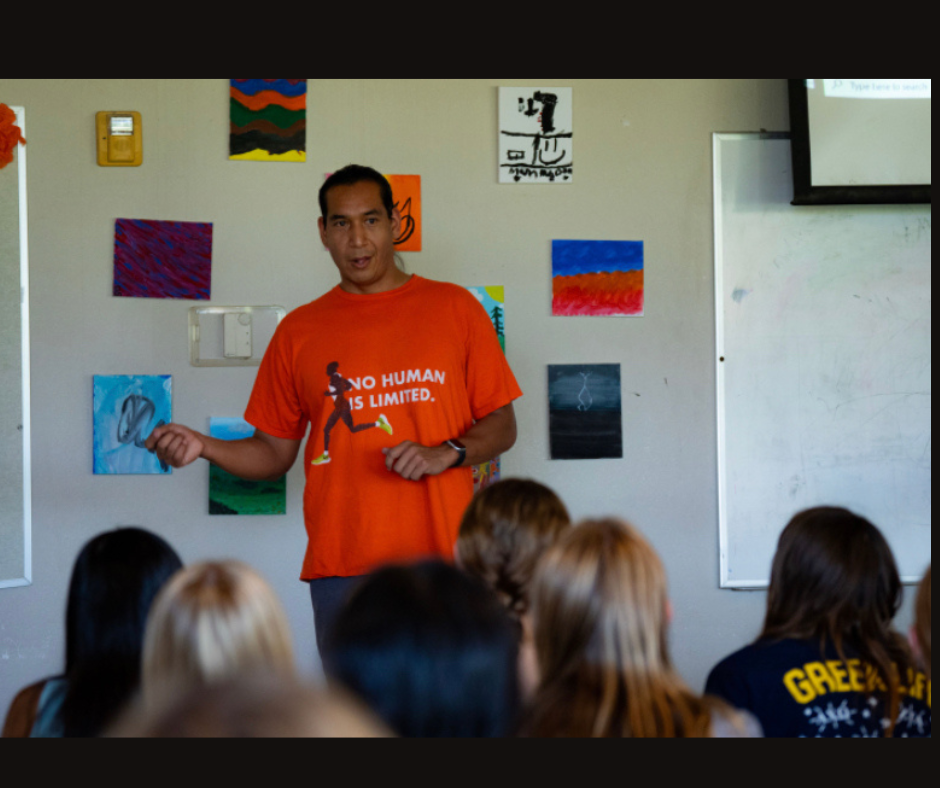
From Thinking to Being: The Secret to Engaging in Life Like a Pro Athlete
From thinking about life to engaging with life! How to engage in life more fully. Learning to be present.
There’s a profound distinction between truly experiencing life and merely experiencing our thoughts about life. While both seem intertwined, they are not the same, and understanding this can shift the way we approach everything—from daily tasks to life’s most pivotal moments.
A simple yet powerful example comes from basketball, specifically the act of shooting a free throw. Imagine stepping up to the line. Your mind starts to chatter: “I need to make this shot.” “Aim for the back of the rim.” “Don’t mess up.” These thoughts are not about the actual experience of shooting the ball; they are thoughts about shooting the ball. They're focused on outcome, judgment, and abstract ideas that hover around the act itself.
Now contrast this with the pure experience of shooting a free throw. In this state, there’s no internal dialogue. You’re not thinking about the result or strategizing about technique. Instead, you are fully engaged in the moment, feeling the ball in your hands, sensing the muscles in your body as they contract and release in perfect order, applying just the right amount of force. It’s a direct, embodied experience.
Michael Jordan demonstrated this perfectly when he famously shot a free throw with his eyes closed. He wasn’t aiming, thinking, or worrying about the outcome. He was experiencing the shot. His years of training, muscle memory, and instinct took over. His mind was quiet, and his body knew exactly what to do.
This distinction extends far beyond sports. In life, we often find ourselves lost in thoughts about life rather than engaging with life itself. We worry, plan, analyze, and stress over how things might go, but in doing so, we miss the present moment—the experience of living. We think about what could happen, what should happen, and how we’ll feel when it does, but we forget to fully inhabit the now.
To truly live is to immerse ourselves in the direct experience of each moment, free from the clutter of mental commentary. It’s feeling the wind on your skin, hearing the laughter of a loved one, or moving your body through space without overthinking every step.
Like shooting a free throw with your eyes closed, life can be experienced more fully when we quiet the mind and let ourselves simply be. When we do this, we shift from thinking about life to truly experiencing it, and in that space, we discover a deeper connection to ourselves, to others, and to the world around us.
Are you experiencing life, or are you merely experiencing your thoughts about life? The answer might just change everything.
The Power of Mind, Body, and Spirit in Performance: Unlock Your True Potential!
At Optimal Performance and Wellbeing, we believe that true success comes from aligning your mind, body, and spirit. Whether you're an athlete, an executive, or someone striving for personal growth, peak performance isn't just about pushing your limits physically—it's about cultivating awareness, resilience, and balance in all aspects of life.
Mind: The Key to Focus and Clarity
A strong mindset lays the foundation for optimal performance. But in a world filled with constant distractions, how do we stay focused and sharp? The answer lies in mindfulness and mental conditioning. When we learn to observe our thoughts rather than react to them, we unlock a new level of awareness that allows us to operate with clarity even in the most stressful moments.
At Optimal Performance and Wellbeing, we help clients develop mental resilience through mindfulness techniques, stress management tools, and personalized mental coaching. The goal is to harness the power of the mind to not just survive under pressure but to THRIVE.
Body: Honoring the Physical Vessel
Our bodies are incredible vessels for performance, but many of us forget the importance of listening to what our bodies are telling us. From proper nutrition to exercise routines, it's crucial to respect and care for the physical form.
Whether it’s managing exercise-induced pain or overcoming physical limitations, the key is awareness and balance. At Optimal Performance and Wellbeing, we don’t just focus on pushing harder; we help you push SMARTER!
Spirit: Tapping into Something Bigger
Performance goes beyond what we can see and measure. There’s an undeniable spiritual element to what drives us forward. Many of the world’s greatest athletes and performers speak of being "in the zone"—a state where actions flow effortlessly, and everything seems to click. This state of flow is deeply connected to our spiritual well-being.
At Optimal Performance and Wellbeing, we view spiritual wellbeing as tapping into a universal consciousness or god, a deeper awareness that guides us toward fulfillment and purpose. Through practices such as meditation, mindfulness, and reflection, we help our clients connect with their inner selves and the world around them, leading to more profound performance breakthroughs.
The Path Forward
Success is not a one-size-fits-all journey. It requires a holistic approach that integrates mind, body, and spirit. At Optimal Performance and Wellbeing, our programs are designed to guide you through this integration, unlocking your potential and helping you achieve balance in all areas of your life.
Whether you're seeking to improve your performance at work, on the field, or in your personal life, we are here to support your journey. Through our customized coaching, you’ll learn to master the art of mindfulness, harness the power of your body, and tap into a deeper, spiritual connection that fuels long-term growth and well-being.
Let’s work together to unlock your potential—because true performance is about more than what you do; it’s about who you become.
Two Lessons That Can Change Your Life: Self-Acceptance and Letting Go
For a long time, I ran from love. Not just any love, but the unconditional love my parents gave me. I couldn’t fully embrace it because I didn’t believe I deserved it. Instead of letting myself be loved as I was, I set off on a journey of trying to "earn" love—often from others.
I spent years striving to achieve something great, something that would finally make me worthy of self-love and, in my mind, make my parents proud. But somewhere along the way, I learned that I had it all backward.
The most significant shift came when I realized that self-acceptance had to come first, not after some grand achievement. If I could learn to fully love and accept myself as I am, I could stop chasing validation through external success. Once I embraced this truth, I found that I was able to be content in whatever I was doing. I no longer felt the pressure to prove anything, and because of that, I was able to give my all to whatever was in front of me.
Interestingly, as I accepted myself more, my relationship with my parents changed. We became closer because I stopped running from their love and started embracing it. What I once saw as something I had to work to deserve, I now realize had always been there, waiting for me to accept it.
The second lesson that transformed me was learning to let go. Letting go is one of the hardest things we have to do in life—whether it’s letting go of an identity, like being an athlete, or releasing a relationship because you may want to give up on it. It’s painful, and it causes immense suffering until you finally surrender to the process of letting go.
But in letting go, I’ve found freedom. I’ve realized that holding on too tightly to the past—whether it’s an old version of myself or a relationship that no longer serves me—only keeps me stuck- unable to move forward in life. The moment I learned to loosen my grip, my suffering started to ease, and I could move forward with a sense of peace.
These two lessons—loving and accepting myself and learning to let go—have been transformative. They are lessons that I believe we all come to face at some point, and while they’re not easy, they are vital for growth and happiness.
Ultimately, they’ve taught me that life is not about becoming someone different or achieving something extraordinary to be worthy. It's about embracing who you are right now and knowing that it's enough. And when it's time to move forward, let go of the past with grace and step into whatever is next with a heart that is open and unburdened.
The Beauty of Imperfection: Trusting Life Beyond Perfection
What does it mean to truly trust in life's plan. How would that help you in having less worry or anxiety?
In a world that often idolizes flawlessness, it's easy to get caught up in the desire for every moment to unfold perfectly. We aim for everything to go according to plan, overlooking the richness life has to offer. Clinging too tightly to the idea of "perfect" can prevent us from embracing the deeper, more meaningful experiences that arise when life doesn't go as expected.
The Pitfall of Perfectionism:
Perfectionism suggests that happiness, success, or fulfillment will come only if things align perfectly with our vision. However, it narrows our perspective.
By attempting to micromanage every detail, we confine ourselves to a limited view of what we believe is ideal. This fixation robs us of life's surprises, its ability to surpass our expectations, and the beauty of the unforeseen.
Perfectionism also stifles spontaneity. The moments when we act silly, make mistakes, or do something entirely goofy are often the ones we cherish the most because they are authentic, unfiltered, and brimming with humanity.
Embracing the Unpredictable:
Trusting in life means recognizing the wisdom in its unpredictability. Life often provides what we need, not necessarily what we think we want.
The bumps, detours, and even failures shape us in ways that a flawless journey never could. These experiences push us, challenge our perspective, and frequently lead to growth beyond our initial expectations.
Imagining a Day Without Surprises:
Consider if every part of your day unfolded exactly as planned. While it might seem comfortable initially, there would be little room for excitement, learning, or joy.
It's in the spontaneous moments, when life catches us off guard, that we forge significant connections and experiences. Learning to embrace mistakes, laugh at ourselves, and find beauty in chaos enriches our lives.
Trusting Life's Course:
Instead of fixating on perfection, what if we embraced life's flow? What if we relinquished the need to control every outcome and embraced the journey, wherever it may lead?
Trusting life entails having faith that events will unfold as they should, even if they don't align with our initial expectations. It involves welcoming the unknown and the potential for something beyond our notion of "perfect" to unfold.
Finding Happiness in Imperfection:
By embracing imperfection, we discover joy in the present moment. Letting go of the notion that everything must be flawless opens us up to fun, laughter, and spontaneity.
Rediscover the delight of being carefree, laughing at yourself, and appreciating life's quirks. These moments give life meaning, bringing us closer to loved ones and ourselves.
Striving for Presence:
Rather than chasing perfection, let's strive for presence. Be open to the unexpected, mistakes, and messiness. Trusting life as it is allows us to experience its true beauty.
Conclusion:
Releasing the need for perfection enriches life, opening us up to joy, laughter, and profound lessons. Trusting the flow of life and embracing imperfection leads to growth and deeper connections.
Mindfulness is essential in this process. By practicing mindfulness, we can observe life without judgment, fostering trust in the moment and finding beauty in imperfection.
As a mental performance consultant, I can support you on this journey by incorporating mindfulness techniques to enhance your connection to the present and cultivate resilience and grace in facing life's challenges. Together, we can navigate the unpredictable journey of life with balance, joy, and a sense of well-being.
Chop Wood, Carry Water
Chop Wood and Carry Water!
Peter Haberl, the former sports psychologist for United States Olympic athletes, once said, "Attention is the currency of performance." His words resonated with me as I listened to his presentation at the Association for Applied Sport Psychology conference a few years back.
This quote deeply resonated with me. Often, we focus on the outcomes and the emotions we expect to feel after achieving a goal. However, if we fail to remain present in the current moment, our energy, motivation, and drive may not align with the task at hand, leading to subpar performance.
This highlights the significance of treating each step of a goal as a purposeful decision, referred to as process goals. By staying mindful and focused, we can channel our determination, energy, and willpower into each action, enabling us to excel and surpass expectations. It underscores the importance of mastering the art of being present, focused, and fully engaged in the current moment to deliver our best in the task at hand. Regardless of the task at hand, strive to give it your full attention, even when it seems mundane, as the saying goes, "chop wood, carry water."
Peter Haberl, the former sports psychologist for United States Olympic athletes, once said, "Attention is the currency of performance." His words resonated with me as I listened to his presentation at the Association for Applied Sport Psychology conference a few years back.
This quote deeply resonated with me. Often, we focus on the outcomes and the emotions we expect to feel after achieving a goal. However, if we fail to remain present in the current moment, our energy, motivation, and drive may not align with the task at hand, leading to subpar performance.
This highlights the significance of treating each step of a goal as a purposeful decision, referred to as process goals. By staying mindful and focused, we can channel our determination, energy, and willpower into each action, enabling us to excel and surpass expectations. It underscores the importance of mastering the art of being present, focused, and fully engaged in the current moment to deliver our best in the task at hand.
Regardless of the task at hand, strive to give it your full attention, even when it seems mundane, as the saying goes, "chop wood, carry water." You could be creating a masterpiece, if you allow yourself.
How can Sport Psychology help you?
It all begins with an idea.
Exploring the Connection Between Religion and Mindfulness
In my experience, I have collaborated with many religious individuals who have mentioned that incorporating mindfulness practices has strengthened their faith. My primary focus revolves around assisting individuals in managing concerns and negative thoughts, allowing the spirit, God, or consciousness to guide and flow through them. In the realm of sports, this mental state is often referred to as being "in the zone," aligning with the concept of performing at one's peak or even surpassing it. This approach extends beyond sports and into everyday life, echoing the biblical principle of walking by faith and not by sight, or not solely depending on personal understanding. By doing so, it becomes easier to access one's inherent intuition and deeper comprehension.
In today’s world, mindfulness and personal growth practices have gained popularity, yet there is often a misconception that these ideas conflict with Christianity or religious beliefs. At Optimal Performance and Wellbeing, I believe that these concepts not only align but can deeply enhance one’s spiritual journey. Whether you're striving for mental clarity, emotional peace, or spiritual fulfillment, mindfulness principles and Christian teachings often share the same core values, working together to cultivate a life of purpose and connection.

God and Consciousness: Aligning with a Higher Power
It all begins with an idea.
At the heart of both Christian faith and mindfulness lies a shared emphasis on connecting with something greater than ourselves. In Christianity, this is a connection with God—a higher power who guides, loves, and offers direction. Through prayer and devotion, believers seek to feel God’s presence in their lives.
Mindfulness, while often secular, can also be seen as a practice of connecting to something higher. Whether you call it consciousness, the spirit or simply awareness, mindfulness teaches us to be fully present, embracing the moment with openness. This presence can be viewed as a spiritual act, bringing us closer to the essence of life and, for many, closer to God.

Being led by the Spirit or Flow State
It all begins with an idea.
The concept of "flow state" is a hallmark of mindfulness and optimal performance. It’s a state of complete immersion, where everything seems to click into place effortlessly. When in flow, we feel a natural rhythm that moves us beyond conscious thought. This parallels the Christian concept of being "led by the Spirit." When we surrender control to the Holy Spirit, we are guided by a higher wisdom that helps us navigate life’s challenges with ease and grace.
Both flow and being led by the Spirit involve letting go—releasing the need to micromanage or control every aspect of life. In doing so, we open ourselves to greater possibilities, whether those are seen as divine intervention or a deeper connection to our inner selves. In either case, both approaches invite us to trust a greater force, experiencing peace and purpose in the process.

Lean not on your own Understanding; Intuition
It all begins with an idea.
A well-known Christian principle from Proverbs 3:5-6 teaches to "Trust in the Lord with all your heart and lean not on your own understanding." This reminds us to have faith in God's plan, even when we don’t fully comprehend it. It’s a lesson in humility and surrender.
In the world of mindfulness, this idea is often mirrored through the concept of intuition—learning to trust our inner wisdom rather than over-relying on logic or control. Mindfulness encourages us to release the need for rigid certainty and instead trust in the unfolding of life, relying on an intuitive understanding of what feels right in the moment.
Whether through faith in God or the trust in intuition, both approaches teach us to let go of the need to have all the answers and to trust a deeper source of guidance.